Dryberry
Our place on the lake
Where the shield meets the sky
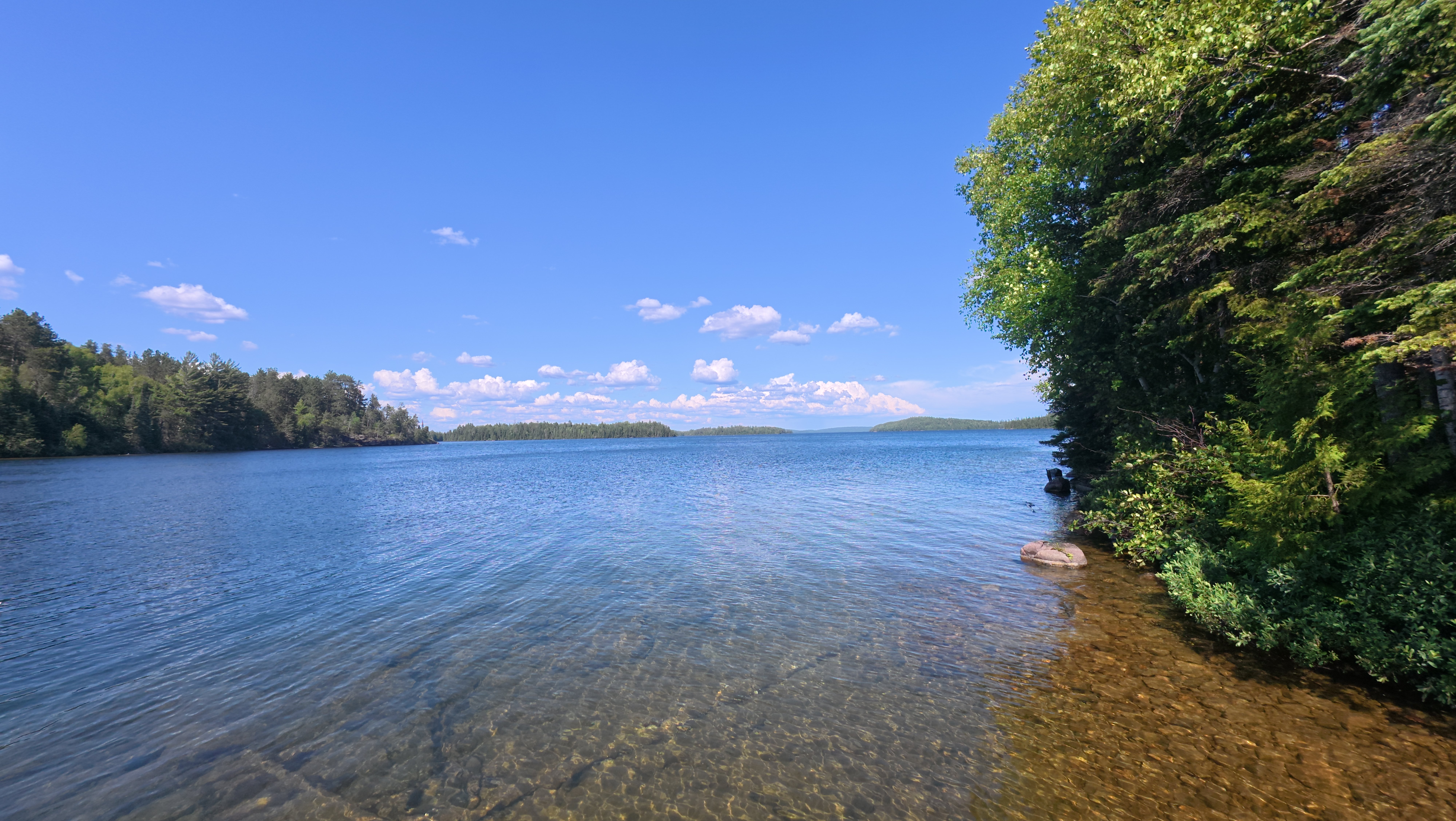
A little corner of wilderness
Tucked along the shores of one of Northwestern Ontario’s most treasured lakes, our cabin at Dryberry has been a place of refuge, adventure, and quiet wonder. It’s where the loons call at dusk and the water runs so clear you can count the stones on the bottom.
The Canadian Shield stretches in every direction — ancient granite draped in jack pine and spruce, carved by glaciers and shaped by time. This is a place that gets into your bones. Once you’ve been here, you keep coming back.
Deep, cold, impossibly clear
Dryberry Lake sits in the Kenora District of Northwestern Ontario, designated as a provincial Conservation Reserve — a recognition of just how remarkable and unspoiled it remains. The lake is known for its crystal-clear, sea-green water and dramatic rugged shoreline of massive granite outcrops rising straight out of the deep.
Its waters plunge steeply — 80 feet deep just steps from shore in places — keeping them cold and pure year-round. The lake formed in the mid-20th century when a small dam connected several smaller lakes, flooding the surrounding lowlands and creating the sprawling, island-dotted wilderness body of water it is today.
ReserveProvince of Ontario
The surrounding forest still carries the marks of its history. First Nations peoples painted petroglyphs on the rock escarpments here — ochre figures on ancient stone, a testament to the long human connection with this land.
A fisherman’s paradise
Ask anyone who has fished Dryberry and they’ll tell you the same thing: it’s special. The lake is renowned throughout Northwestern Ontario for its trophy-class fishery — a rare combination of species thriving in cold, clear, deep water.
The crown jewel of Dryberry. They love the cold depths and are found in abundance — including some truly giant specimens that test any angler.
Dryberry is home to a unique population of large muskie. The fish of ten thousand casts may require fewer here — the lake’s trophy muskie are legendary.
Plentiful, feisty, and excellent sport. The rocky shoreline and clear water make for perfect smallmouth habitat, and they’re eager to bite.
The access road off Highway 71 is not for the faint of heart — a 4×4 is strongly recommended. But that rough road is part of what has kept Dryberry pristine.
Shaped by ice, fire, and time
The bedrock beneath Dryberry is some of the oldest exposed rock on earth — Precambrian granite of the Canadian Shield, formed billions of years ago and scraped smooth by glaciers that retreated roughly 10,000 years before the first European explorers arrived in the region.
“To the untrained eye it appears the forest has recovered — but to those who look closely, this land tells a longer story.”
The land around Dryberry was logged for virgin spruce and pine in the mid-20th century. The slash fires that followed consumed much of the thin organic soil atop the shield, and while the forest has largely regrown, the old-growth character won’t return for centuries.
First Nations peoples knew this lake long before anyone else. The petroglyphs painted on nearby rock escarpments speak of generations of people who found meaning and sustenance here — hunters, trappers, and canoe travellers who read the land like a language.
Wildlife remains abundant. Loons nest along the quieter bays. Eagles soar on thermals above the cliffs. Beaver, otter, mink, and wolf all share the conservation reserve with anyone fortunate enough to find their way in.
Every season has its magic
When the ice finally breaks in late May, the lake erupts with life. Loons return, fish move shallow, and the air smells of pine and cold water.
The sun sets late and rises early. Long evenings on the dock, fires on the point, fishing at dusk. The water warms enough for a swim — briefly.
The tourists are gone and the forest turns gold, orange, and deep red. The lake glows in the low autumn light. This is arguably the best time of all.
A deep silence settles over everything. The lake locks under two feet of ice. Those who brave the cold find a pristine white wilderness with no one else in it.
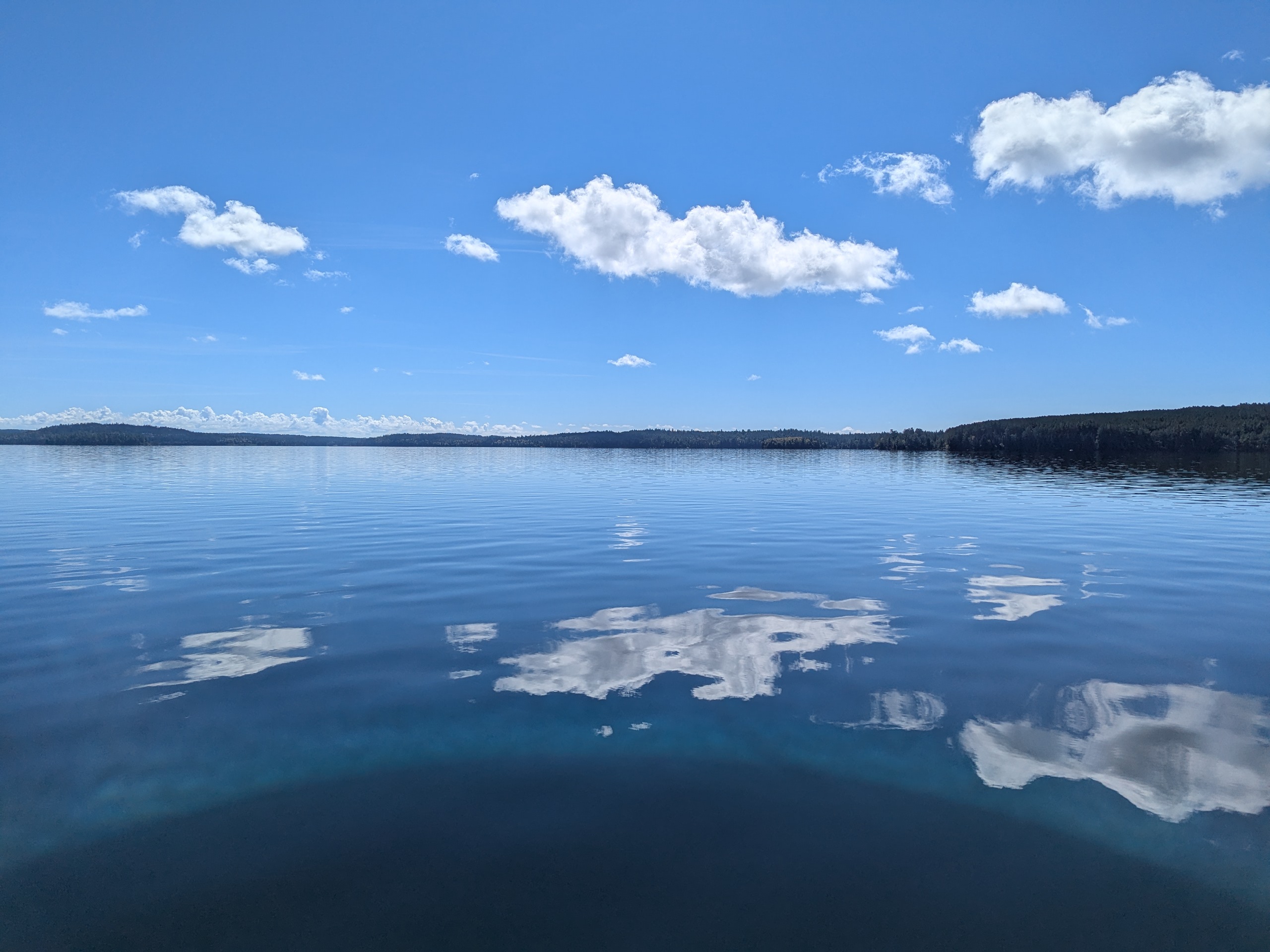 Reflections
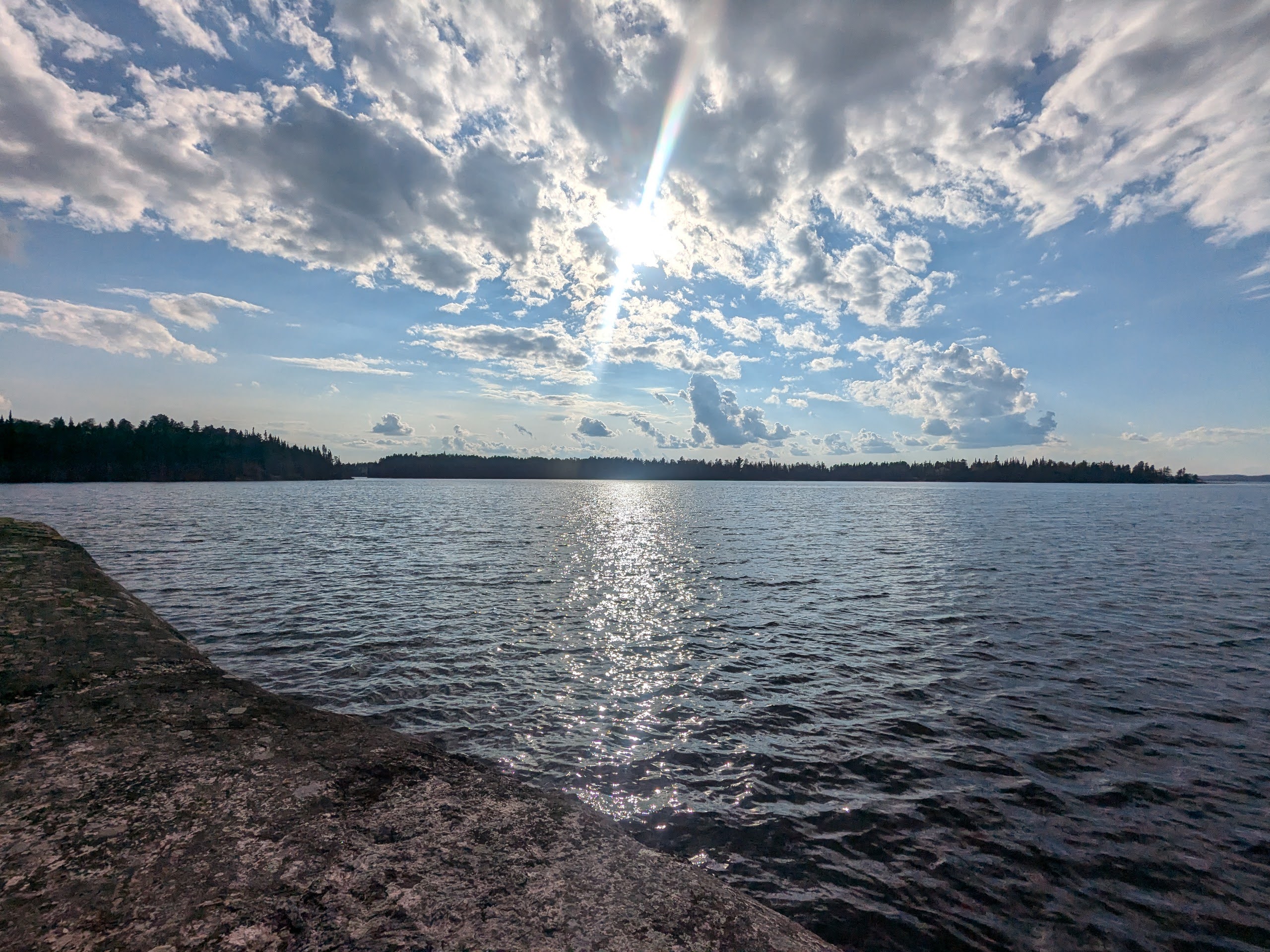 Fun Island
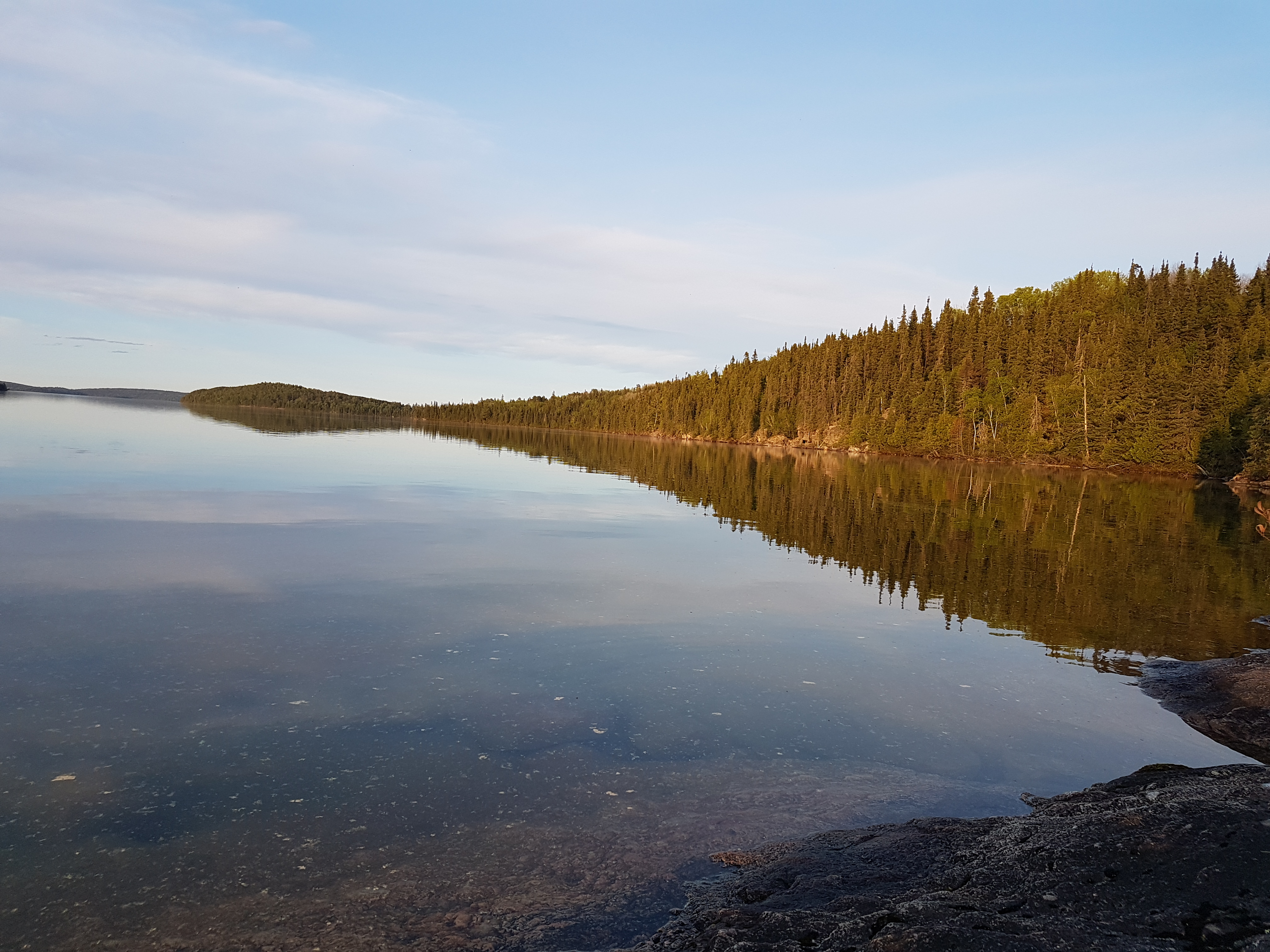 Looking out
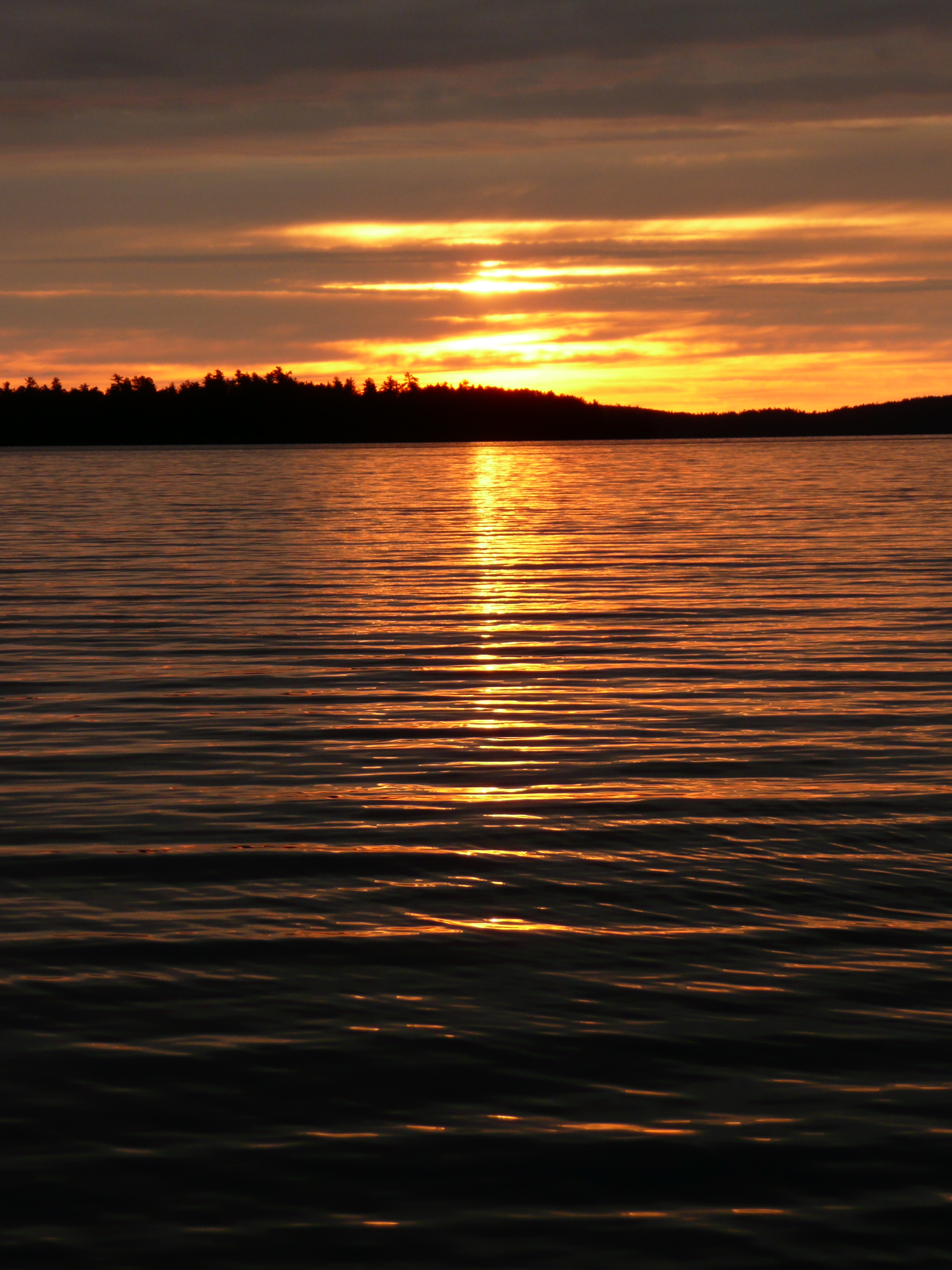 Evening light
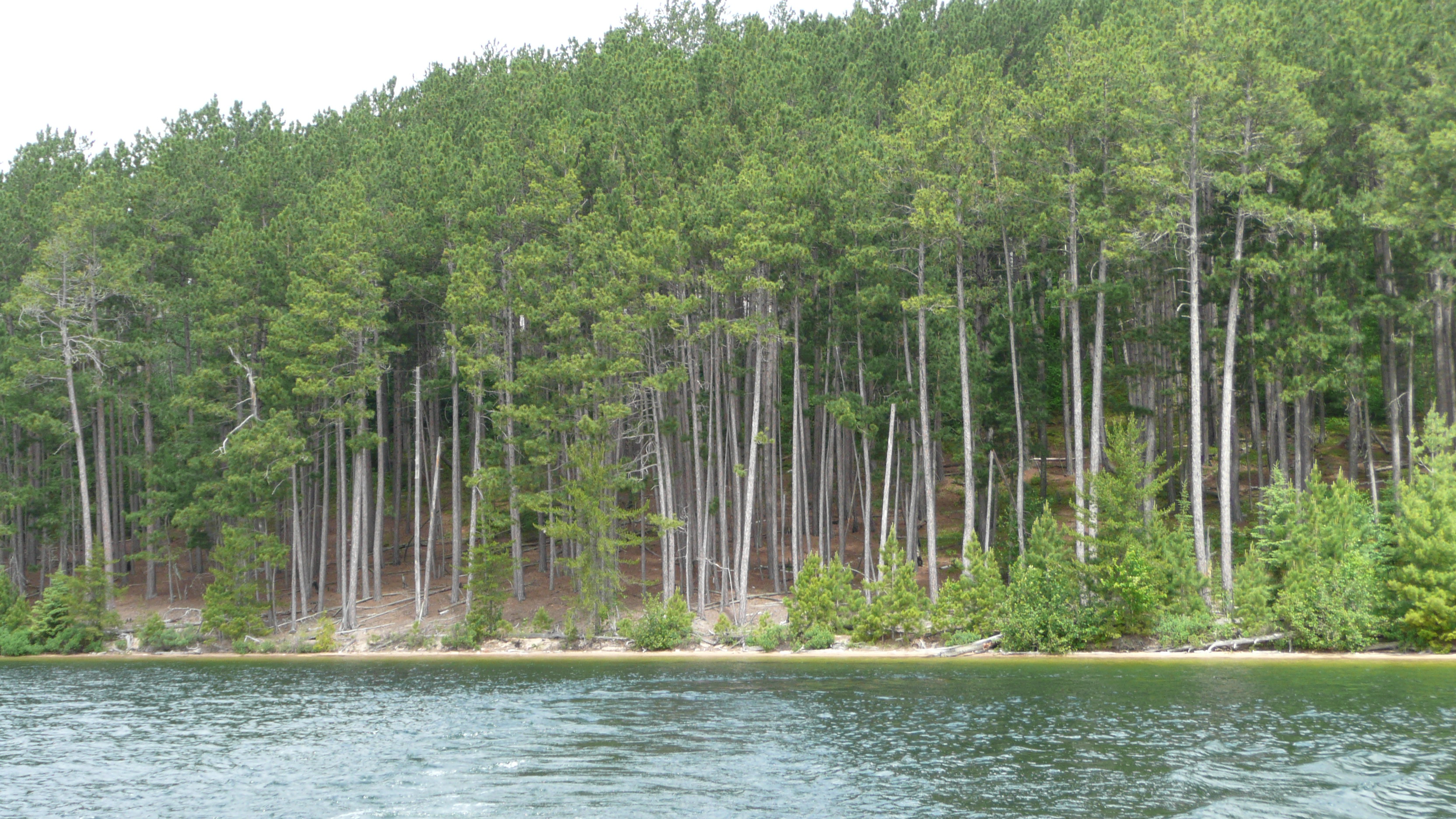 The shoreline